Saudi Arabia's $3.6 Billion Weekly Consumer Spending Reveals Massive Market Opportunities
- R Consultancy Group
- Aug 20, 2025
- 4 min read

International companies evaluating Saudi market entry often struggle to find current data on consumer spending patterns and market size. Recent point-of-sale transaction data from the Saudi Central Bank provides exactly this intelligence, revealing a $3.6 billion weekly consumer economy with clear sector winners and geographic concentration patterns.
The numbers tell a compelling story. Saudi consumers have maintained spending above $3.6 billion weekly for three consecutive weeks, demonstrating economic resilience and substantial purchasing power. This level of consistent consumer activity creates immediate opportunities for international companies across multiple sectors.
Education Sector Shows Explosive Growth
Education spending surged 76.7 percent in the week ending August 16, reaching $118.55 million in transactions. The 183,000 individual transactions represent a 13.5 percent increase in volume, indicating both higher spending per transaction and increased participation.
This surge reflects back-to-school season demand but also highlights Saudi Arabia's massive investment in education infrastructure. International companies providing educational technology, school supplies, training services, and educational facility equipment can capitalize on this sustained spending growth.
The education sector's performance stands out because few sectors showed growth during this period. Companies that understand seasonal patterns and can scale operations for peak demand periods will find substantial revenue opportunities in Saudi's expanding education market.

Food and Beverage Sector Dominates Consumer Spending
Food and beverage transactions totaled $501 million weekly, claiming the largest share of consumer spending despite a small 2.5 percent decrease. This sector's dominance indicates consistent demand and consumer priority for food-related purchases.
International food manufacturers, beverage companies, and specialty food importers can access this substantial market through proper distribution partnerships. The weekly spending volume suggests regular purchasing patterns rather than occasional splurges, creating predictable demand for established suppliers.
Restaurants and cafes captured $450 million in weekly spending, ranking as the second-largest sector. This restaurant spending reflects Saudi Arabia's growing dining culture and increased social activities. International restaurant chains, food service equipment suppliers, and hospitality technology companies can benefit from this sustained demand.
Transportation Spending Reveals Mixed Opportunities
Transportation sector spending reached $277 million weekly despite a 20 percent overall decline. However, specific subcategories showed growth that smart companies can target.
Vehicle and spare parts spending increased 5.2 percent to $152 million, indicating strong automotive aftermarket demand. International automotive parts suppliers, maintenance equipment manufacturers, and vehicle accessory companies can access this growing segment.
Freight transport and postal services grew 0.3 percent to $13 million. While the absolute numbers appear smaller, this growth indicates expanding logistics activity that supports broader economic development. International logistics companies and shipping service providers can capitalize on Saudi Arabia's growing import and distribution activities.

Geographic Concentration Guides Location Strategy
Riyadh dominated consumer spending with $1.23 billion weekly, representing a 0.2 percent increase from the previous week. This concentration means international companies can achieve significant market penetration by focusing initial efforts on the capital region.
Jeddah recorded $485 million in weekly spending despite a 4.9 percent decline. The absolute spending level remains substantial, making Jeddah an important secondary market for companies establishing a national presence.
Dammam captured $167 million weekly with a 1 percent decrease. As the Eastern Province's commercial center, Dammam provides access to industrial customers and oil sector purchasing power.
These three cities account for massive consumer purchasing power, allowing international companies to achieve economies of scale through concentrated market development rather than dispersed national strategies.
Books and Stationery Market Shows Steady Growth
Books and stationery spending increased 3.5 percent to $32.7 million with 3.48 million transactions. This growth accompanies the education sector surge and indicates sustained demand for educational and office supplies.
International publishers, educational material suppliers, and office product manufacturers can access this expanding market. The high transaction volume suggests both retail and institutional purchasing, creating multiple sales channel opportunities.
Gas Station Spending Indicates Transportation Activity
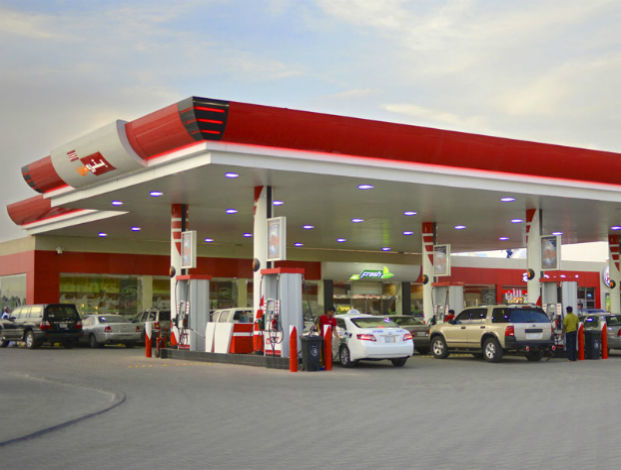
Gas station purchases reached $265 million with a marginal 0.2 percent growth. This spending level reflects significant transportation activity and vehicle usage across the Kingdom.
Companies providing fuel management technology, payment processing systems, and convenience store products can benefit from this stable, high-volume sector. Gas stations often serve as retail distribution points, creating opportunities for consumer goods companies seeking widespread product placement.
Consumer Behavior Insights for Market Entry
The data reveals Saudi consumers maintain consistent spending patterns even during minor economic fluctuations. Weekly spending above $3.6 billion for three consecutive weeks demonstrates purchasing power stability that international companies can rely on for business planning.
Sector performance varies significantly, requiring companies to understand specific market dynamics rather than assuming uniform growth across all categories. The education and automotive aftermarket sectors show growth, while others experience modest declines.
Transaction volumes often increase even when spending amounts decrease, indicating consumers continue purchasing but may adjust spending levels. This behavior suggests price-sensitive market segments that international companies can address through appropriate product positioning.
Market Entry Timing Considerations
Current spending patterns indicate a favourable environment for international market entry. Consumer activity remains strong across major sectors, providing immediate revenue opportunities for qualified companies.
Seasonal factors influence specific sectors significantly, as demonstrated by education spending growth during back-to-school periods. Companies planning market entry should consider timing their launch to coincide with peak demand seasons for their target sectors.
Geographic concentration means companies can achieve market impact faster through focused regional strategies rather than attempting immediate national coverage. Starting in Riyadh and expanding to Jeddah and Dammam provides access to the majority of consumer spending activity.
Professional Market Entry Support
Understanding consumer spending patterns represents just one component of successful Saudi market entry. Companies need comprehensive guidance on business registration, partnership development, regulatory compliance, and operational establishment to capitalize on these market opportunities.
R Consultancy Group, at https://www.rconsultancy.co.uk/ , provides specialised support for international companies pursuing Saudi market opportunities. Our expertise includes market analysis, regulatory guidance, and operational setup assistance that help companies effectively access Saudi Arabia's substantial consumer economy.

Accessing Saudi's Consumer Economy
Weekly consumer spending of $3.6 billion demonstrates the scale of opportunity available to international companies. Success requires understanding sector dynamics, geographic concentration, and consumer behavior patterns that drive purchasing decisions.
The question becomes whether your company wants to participate in this substantial consumer economy or continue observing from the sidelines while competitors establish market positions.
Professional market entry guidance can accelerate your access to Saudi Arabia's growing consumer market and position your company for sustainable success in one of the region's strongest economies.


Comments